One of the first questions homeowners ask when considering a renovation is about budget. It’s a natural place to start. Renovating a home is a significant investment, and understanding the financial commitment is essential before embarking on the journey.
At the same time, the most accurate budgets are rarely produced at the very beginning of a project. They are developed through a process of discovery, design, planning and technical coordination. The more information available, the more certainty can be built into the budget.
This is where the Design & Build approach becomes particularly valuable.
A renovation budget begins to take shape long before construction starts. During the design phase, every decision contributes to defining the scope of the project. The layout of the spaces, the extent of structural interventions, the level of bespoke detailing and the choice of finishes all influence the final cost. Design is not simply about creating beautiful spaces; it is about transforming ideas into something that can be accurately planned, priced and delivered.
As the design develops, so does the understanding of what will be required to bring the project to life. Planning permissions, building regulations, structural engineering and technical drawings all contribute to refining the project. These stages are often perceived as administrative requirements, but they play a crucial role in reducing uncertainty and creating a realistic budget framework.
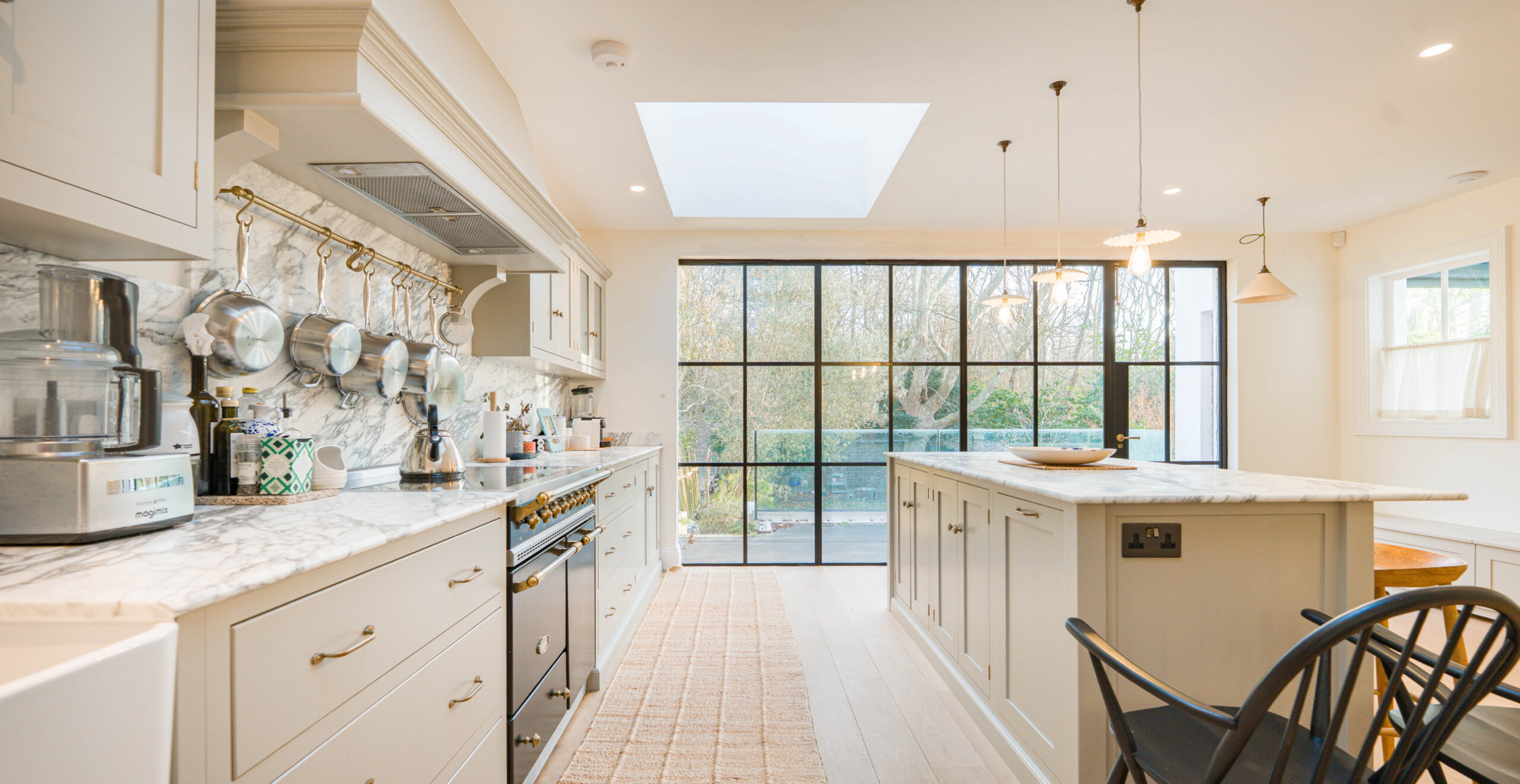
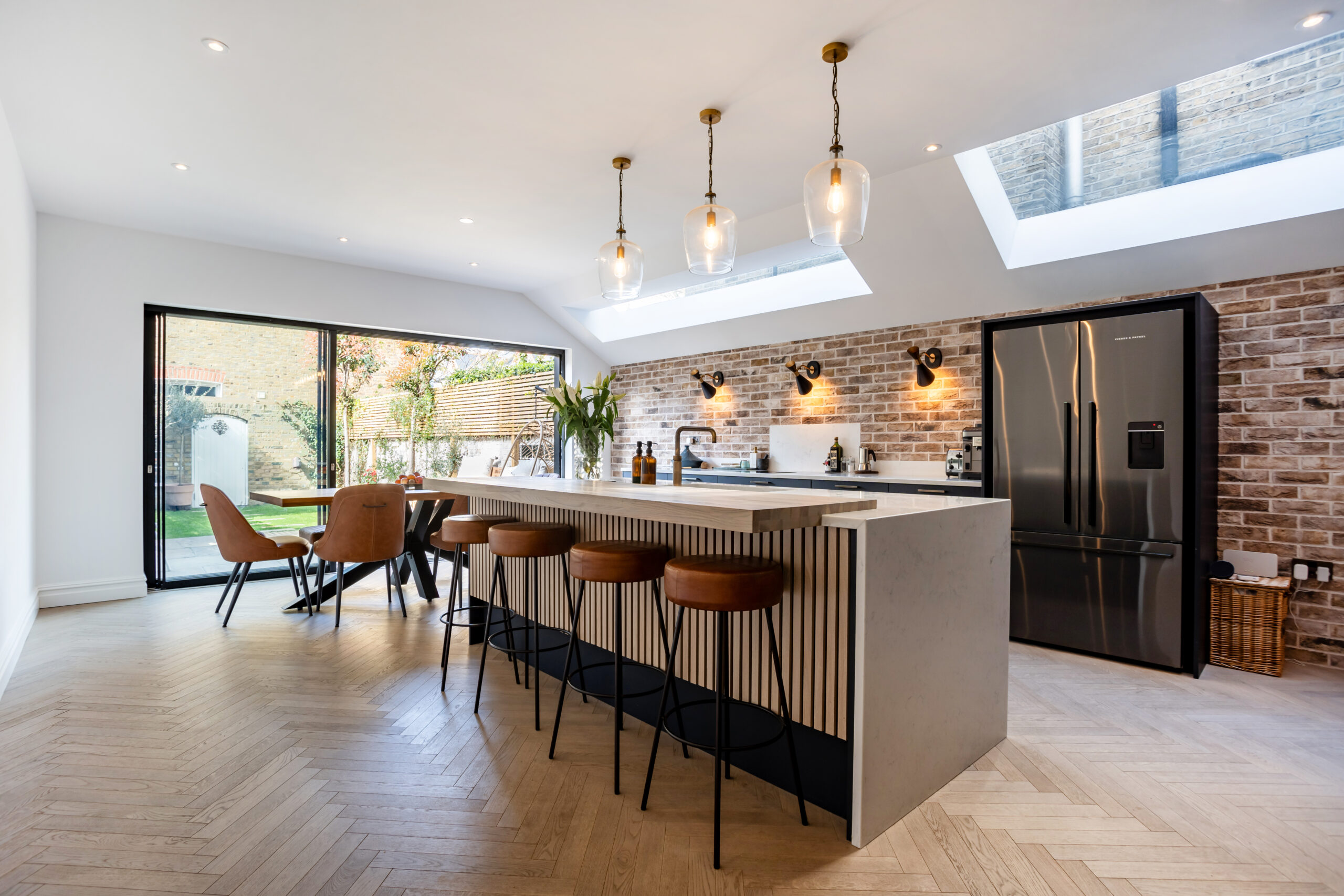
Material selections are another important part of the process. What may appear to be a simple design decision can have a significant impact on costs. Flooring, glazing, kitchens, joinery and lighting all carry different implications depending on the specification chosen. Making these decisions early allows budgets to be developed with greater confidence and helps avoid unexpected changes later in the project.
Even with careful planning and extensive surveys, however, renovations remain fundamentally different from new-build projects. Existing buildings have a history, and not everything can be seen before construction begins.
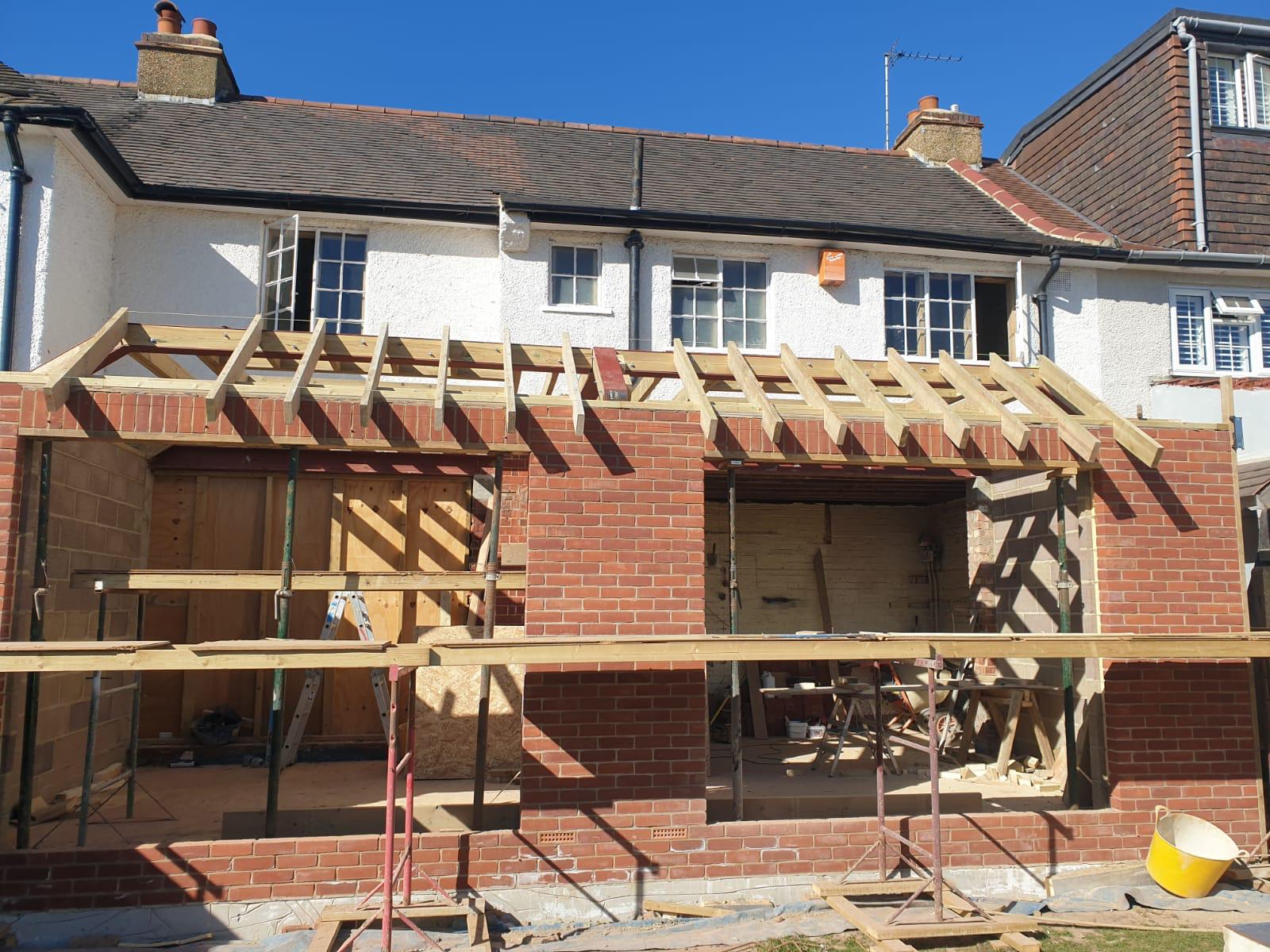
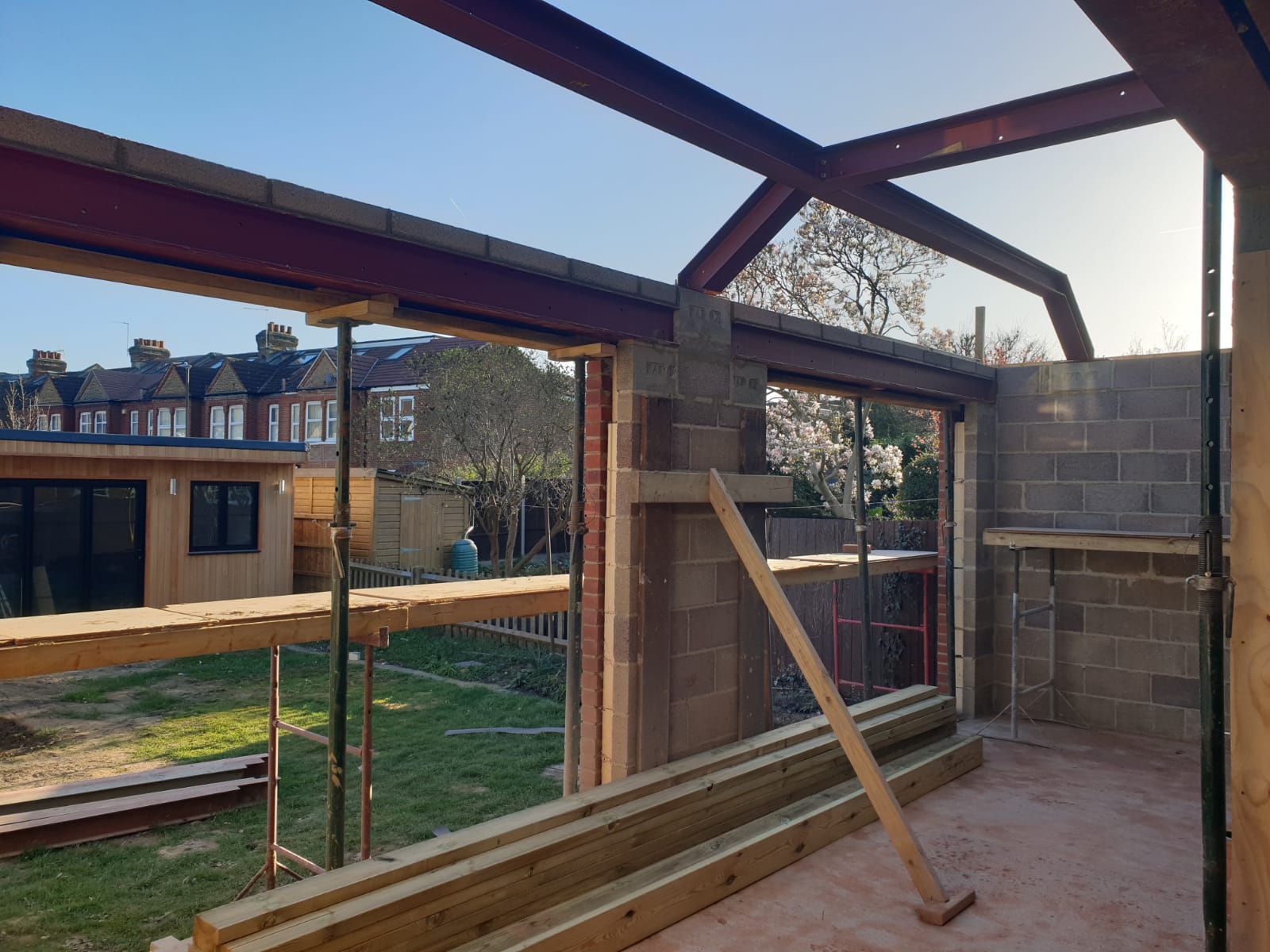
One of the most revealing stages of a renovation is the strip-out phase. Once finishes are removed and structures exposed, the building begins to tell its story. In many cases, everything is exactly as expected. Occasionally, hidden conditions emerge that could not have been identified beforehand. Previous alterations, ageing services, structural deficiencies or concealed damage sometimes only become visible once work is underway.
This is one of the reasons why we always discuss contingency with our clients from the outset.
A contingency allowance is not a sign that a project has been poorly planned. On the contrary, it reflects a realistic understanding of how existing buildings behave. Including a contingency provides flexibility and reassurance, ensuring that unexpected discoveries can be addressed without creating unnecessary stress or compromising important decisions.
Another aspect that is often overlooked when budgeting for a renovation is temporary accommodation. Many homeowners initially assume they will remain in the property throughout the works, but this is not always practical. During certain phases of construction, essential services may be disconnected, significant structural work may be taking place, or health and safety considerations may make occupation uncomfortable or unsafe. Depending on the scale of the project, a temporary move may be the most sensible option and should be considered as part of the overall investment from the beginning.
Ultimately, an accurate renovation budget is not the result of a quick estimate. It is the outcome of a collaborative process that brings together design, planning and construction expertise. The more thoroughly a project is explored before work begins, the greater the certainty that can be achieved.
While no renovation can ever eliminate every unknown, a carefully developed design, informed decision-making and a realistic approach to contingency allow homeowners to move forward with confidence. At We Love Build, our role is not simply to deliver projects; it is to provide clarity throughout the process, helping clients make informed decisions and build with confidence from the very start.
If you are planning a renovation, extension, or full home refurbishment, our team can guide you through every stage of the process, from concept design to construction and final delivery.
Renovate your property in London with We Love Build